Refunds are costly, but exchanges can save you money and boost sales. Here's why switching to an exchange-first strategy is smarter for your business:
- Refunds hurt your bottom line: They cost about $0.85 for every $1 refunded, including shipping, restocking, and fees. In 2024, retail returns reached $890 billion, with return rates growing faster than revenue.
- Exchanges retain revenue: Instead of losing a sale, exchanges let you keep the transaction active. Customers often choose higher-priced items during exchanges, turning a $60 return into a $95 sale.
- Better customer loyalty: Exchanges keep customers engaged, while refunds often end the relationship. Repeat customers spend 67% more per purchase than new ones.
- Lower processing costs: Returns cost 20–65% of an item's value. Exchanges reduce these expenses by avoiding restocking and refund fees.
Key Tactics to Encourage Exchanges:
- Offer bonus store credit: Incentivize exchanges with extra credit (e.g., 110%) to encourage spending.
- Simplify exchanges: Make exchanges easier than refunds with one-click options and free shipping.
- Charge refund fees: Add a small fee for refunds to steer customers toward exchanges.
- Use return data: Analyze why items are returned and fix issues like sizing or product descriptions.
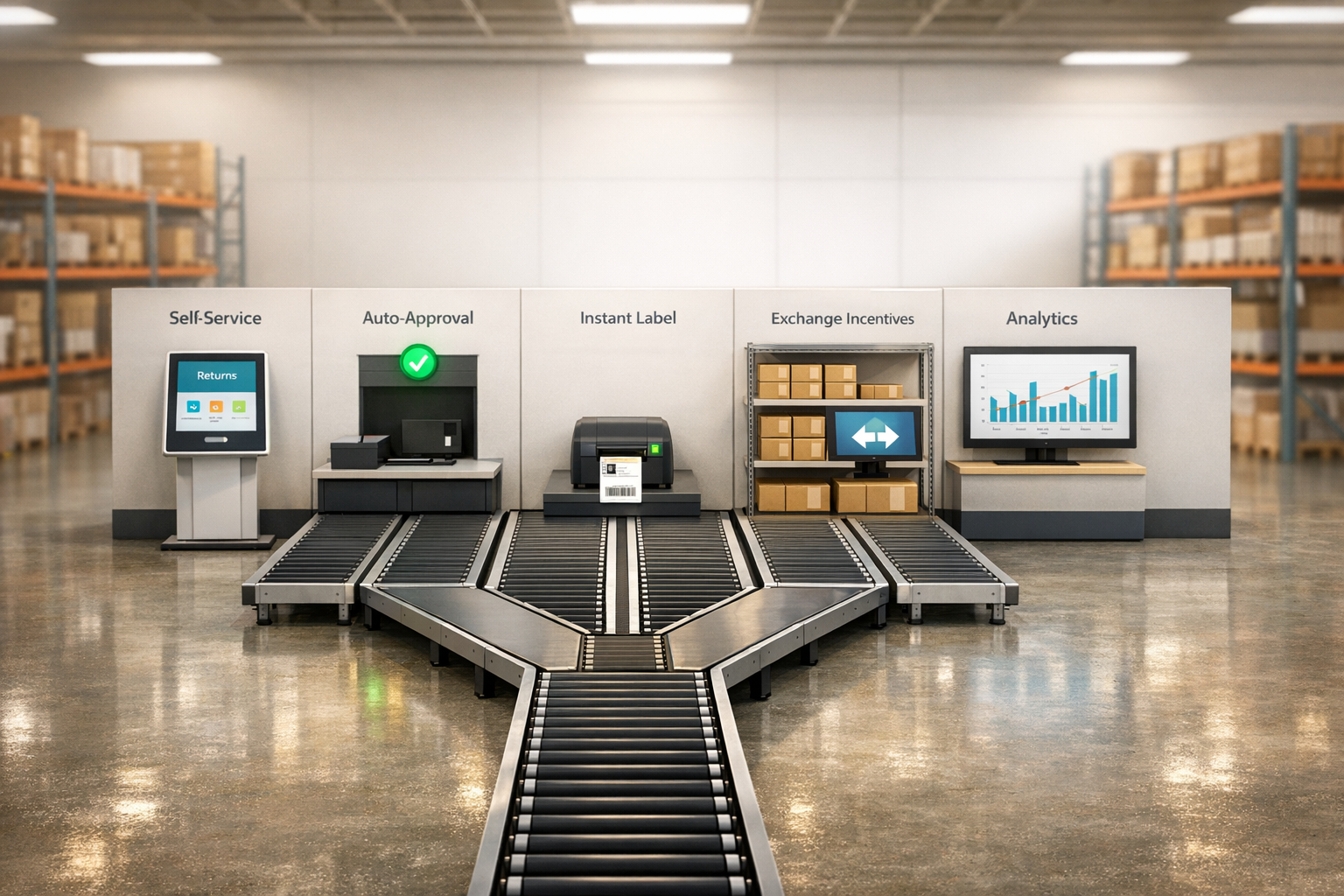
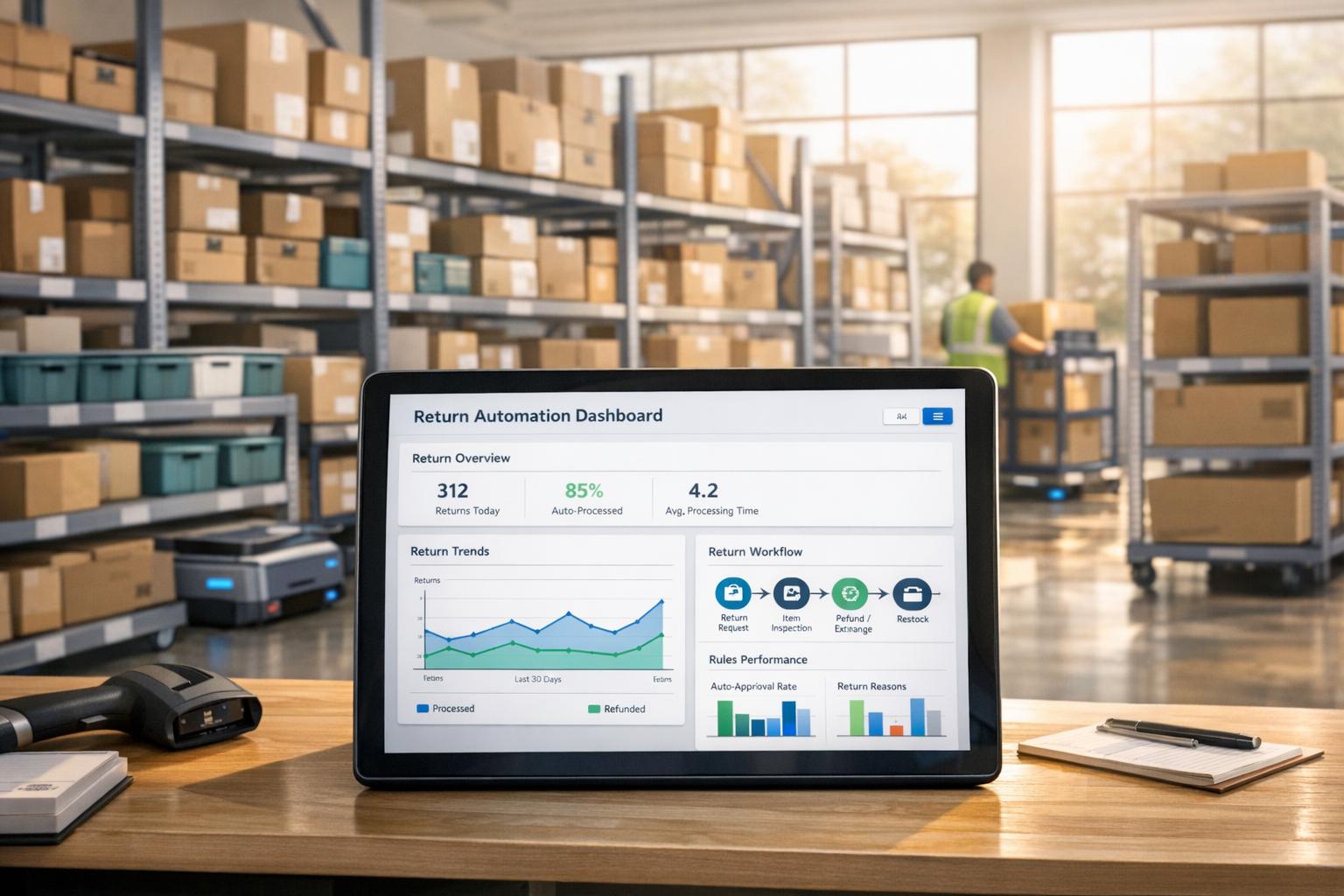
- Automate exchanges: Tools like Forthroute streamline the process, offering self-service portals and instant shipping labels.
Switching to exchanges can protect your revenue, reduce costs, and improve customer satisfaction. Start with small changes like offering extra credit or automating the process to see immediate results.
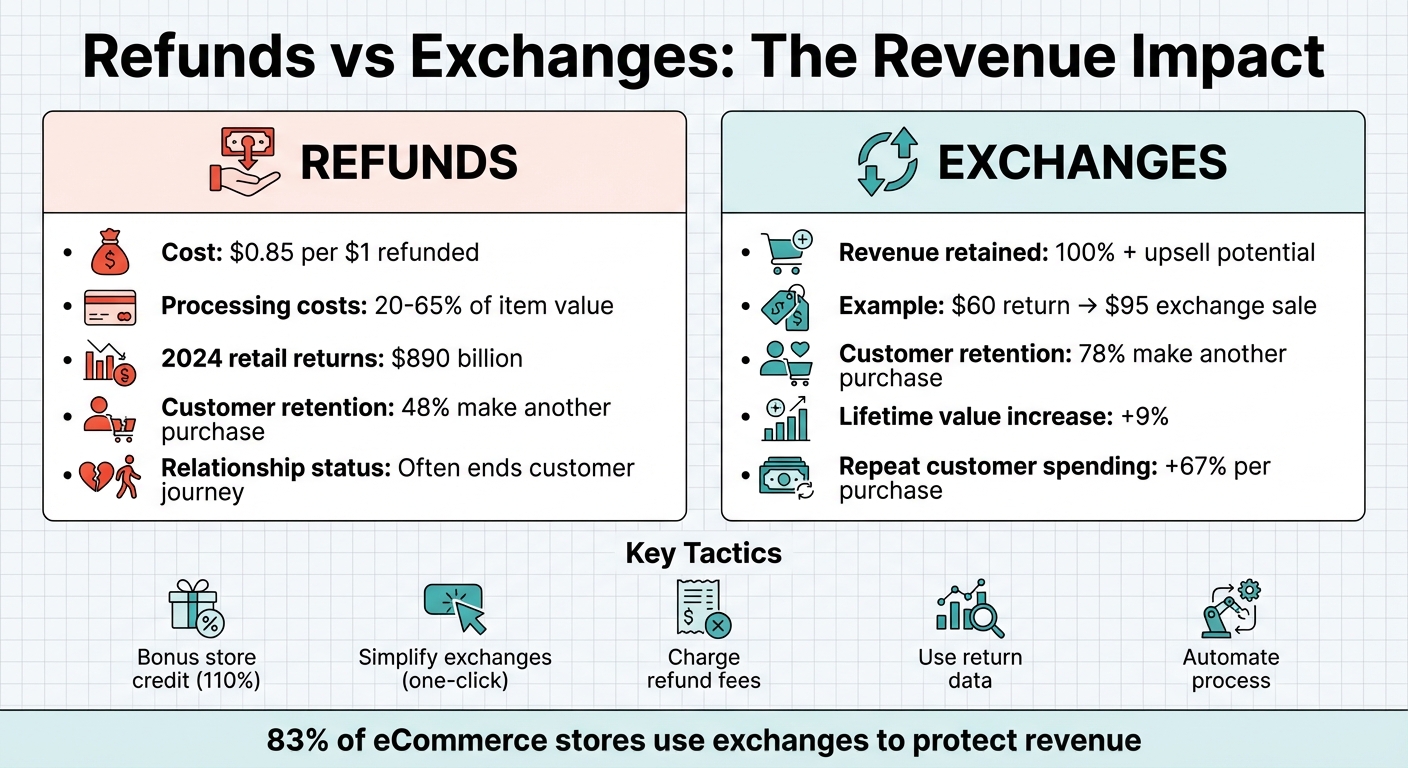
Cost Comparison: Refunds vs Exchanges for eCommerce Retailers
Turning Returns into Revenue: Strategies for Exchanges and Better Customer Experiences
How Exchanges Benefit Your Store
Exchanges do more than just keep revenue in your business - they create opportunities for additional profits. Instead of losing a sale entirely when a customer returns an item, exchanges turn that return into a chance for a product swap. In fact, 83% of eCommerce stores use this strategy to not only protect their revenue but also boost upselling and foster stronger customer loyalty.
Keep Revenue in Your Business
Refunds don’t just mean losing the sale. They also come with added costs. For example, a $100 refund not only forfeits the revenue but can also rack up $10–$20 in processing costs. Exchanges, on the other hand, preserve the $100 and can even lead to a "silent upsell", where customers choose a higher-priced item or add something extra to their cart.
"A $100 exchange = keep $100 revenue, preserve customer lifetime value, and often gain an upsell."
– David Amouyal, ReturnZap
Take One Project as an example. In 2023, they implemented an exchange-first approach and saved a significant amount of capital, hitting revenue targets that would’ve otherwise been lost to returns. Some brands have even managed to retain over 50% of their revenue through exchanges and upsells.
Increase Customer Lifetime Value
Exchanges don’t just save revenue - they build stronger customer relationships. While a refund often signals the end of a customer’s journey with your business, an exchange keeps the connection alive. And that matters because repeat customers spend 67% more per purchase than new ones. Plus, 78% of customers who received a refund went on to make another purchase, compared to just 48% in a control group. By offering exchanges, you’re not just keeping the sale - you’re keeping the customer.
Lower Your Return Processing Costs
Returns are expensive. Processing them can cost anywhere from 20% to 65% of the item’s original value. Exchanges help reduce these costs by keeping the transaction active. This avoids the extra expenses tied to full refunds, restocking, and acquiring new customers - which, by the way, costs up to five times more than retaining an existing one. Platforms like Loop have helped over 4,000 brands - including Allbirds and Brooklinen - retain $843 million in revenue as of August 2024. By incorporating cross-selling and upselling tools during the return process, these brands saved around 28% of revenue that might otherwise have been lost to traditional refunds.
6 Ways to Get More Exchanges and Fewer Refunds
If you're looking to reduce refund-related revenue losses, shifting your focus to exchanges can make a big difference. When customers are deciding between a refund or swapping for another item, the right strategies can encourage them to choose exchanges more often. Here are some practical ways to make exchanges the go-to option.
Give Extra Store Credit for Exchanges
Offering bonus store credit is a smart way to turn potential losses into new revenue opportunities. For example, providing 110% store credit not only retains the sale but often leads to upselling. Research shows that customers who opt for exchanges have a 9% higher lifetime value than those who don't. Many even spend more than the credited amount, increasing your average order value.
Even a small 10% credit bonus is far less expensive than losing the sale entirely. Shmulik Konforty, CTO at One Project, shared his perspective on this:
"By allowing customers to exchange products, and not refund them, we manage to save a lot of money on customers who don't make a refund and just make an exchange. This helps us achieve our KPIs from a revenue aspect."
You can streamline this process by automating credit issuance through a self-service portal. This allows customers to shop right away, keeping the revenue within your business. Some brands even go a step further by offering instant credit before the original item is returned, creating a strong incentive to choose exchanges over refunds.
Make Exchanges Easier Than Refunds
The easier you make exchanges, the more likely customers are to choose them. If refunds are processed instantly but exchanges require multiple emails or extra steps, refunds will win every time. Start by making the "Exchange" button more visible than the "Refund" option. This takes advantage of primacy bias, where people naturally lean toward the first choice they see.
Take additional steps to remove obstacles: offer free shipping for exchanges but charge a fee for refunds, extend the exchange window to 60 or 90 days compared to 30 days for refunds, and enable one-click changes for size or color swaps.
Some brands are already leading the way. Anthropologie, for instance, charges a $5.95 fee for refunded items to cover return shipping but keeps exchanges free. Sephora offers a 60-day return window for store credit, while cash refunds are limited to 30 days. These approaches work because 96% of shoppers say they’re more likely to return to a business if the exchange process is simple. Retailers using automated exchange tools have managed to retain over 50% of their revenue through exchanges and upsells, making it an effective way to support revenue retention goals.
Add Fees to Refunds Only
Charging a fee for refunds can encourage customers to opt for exchanges instead. For example, a $5–$10 fee for refunds - while exchanges remain free - makes the choice clear.
In fact, two-thirds of retailers have started adding return fees to offset rising operational costs. The idea is simple: highlight the value of exchanges by making refunds slightly more expensive. Through your returns management portal, you can automatically apply a fee for refund requests while keeping exchanges fee-free. Make this difference crystal clear by labeling options like "Free Exchange" next to "Refund with $5.95 Fee." Since 76% of shoppers consider free returns a key factor when choosing where to shop, offering free exchanges while charging for refunds can give you a competitive edge and protect your bottom line at the same time.
sbb-itb-a3e286c
Use Return Data to Prevent Future Refunds
Tackling the root causes of returns is one of the most effective ways to reduce refunds. Every return tells a story - whether it’s about sizing issues, misleading product images, or quality concerns. By identifying these patterns, you can address the underlying problems instead of repeatedly processing returns. With the average retailer seeing almost 17% of sales returned, using return data strategically can help lower that percentage while improving the shopping experience for your customers.
Track Why Customers Return Items
Understanding why customers return items is key to making smarter decisions. One way to gather this information is by setting up your returns portal to require customers to select a reason for their return - options like "too small", "color doesn't match photos", or "quality issue" can provide valuable insights. This simple step turns each return into an opportunity to learn and improve. For example, sizing problems alone account for 52% of all returns, so identifying which products are driving these complaints allows you to take specific, targeted action. As Todd Greenbaum from ShipStation notes:
"Use technology: Leverage data to automatically suggest relevant exchanges based on a customer's reason for return, and use the insights to improve your products."
It’s also important to categorize return reasons to separate product-related issues from description-related ones. This distinction is critical because each type of issue requires a different solution. With this data in hand, you can make meaningful updates to product descriptions, size guides, and more.
Fix Product Pages and Size Guides
Return data can highlight exactly where your product pages are falling short. For example, if 39% of shoppers are returning items due to mismatched images, it’s time to upgrade your product photography. Issues like "color mismatch" might mean you need better lighting or additional angles in your photos. If "too small" is a frequent complaint for a particular item, consider adding a note on the product page advising customers to size up or revising your size chart.
Take Gunner Kennels as an example. After noticing customers struggled to select the right dog crate size, they introduced 3D models and augmented reality tools in 2025. This technology let shoppers virtually place a crate next to their dog to ensure the size was correct before buying. Macey Benton, VP of Marketing at Gunner Kennels, shared the results:
"3D models have served as a tool to further bridge the gap between a retail experience and online... we are also seeing lower return and exchange rates."
The outcome? Gunner Kennels cut its return rate by 5%, boosted cart conversions by 3%, and saw a 40% increase in order conversions. Similarly, Supplement Warehouse tackled a different issue. After realizing many returns were due to customers only seeing ingredient lists after delivery, they updated their ecommerce pages to display product labels prominently. This allowed customers with allergies or dietary restrictions to make informed decisions before purchasing. These are straightforward adjustments, but they’re grounded in the insights return data provides.
Stock Products with Lower Return Rates
Not all products are created equal when it comes to return rates. Use your return analytics to identify which SKUs are most frequently returned and make inventory decisions accordingly. If a particular product consistently comes back due to quality issues, it might be time to address the problem with your supplier - or stop stocking that item altogether. On the other hand, prioritize "low-return" products that customers rarely send back. These items are less costly to manage and help protect your profit margins.
Since processing a single return can eat up 20% to 65% of the item’s original value, focusing on products with lower return rates can significantly improve your bottom line. By analyzing return data by product, category, and sales channel, you can pinpoint problem areas and make smarter purchasing decisions. This approach not only reduces operational headaches but also strengthens an exchange-first strategy, helping to minimize refund losses while keeping customers satisfied.
Automate Exchanges with Forthroute
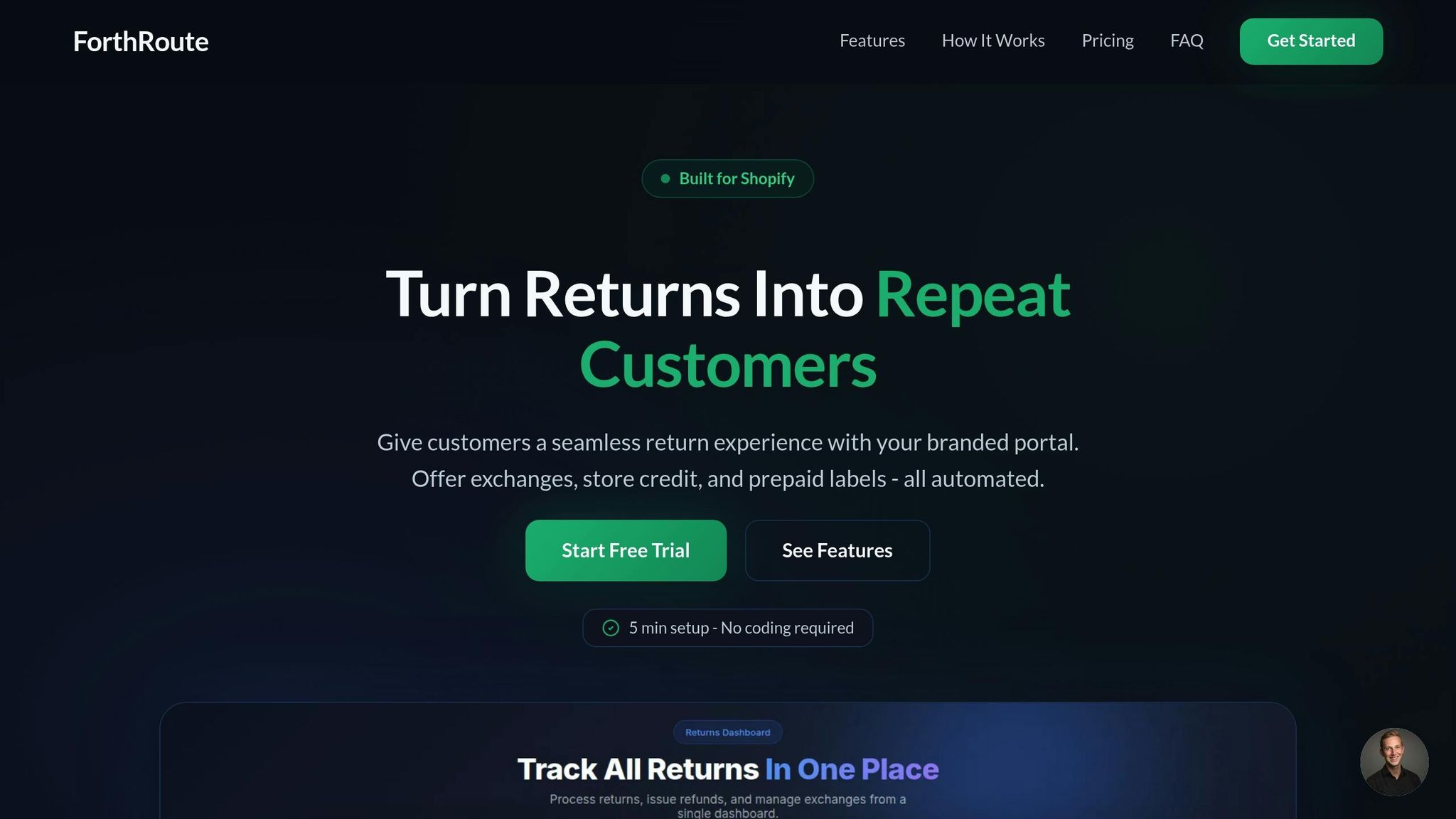
Handling returns manually eats up valuable time and pulls your support team away from tasks that drive revenue. Forthroute simplifies this process by automating returns and exchanges, encouraging customers to swap items instead of opting for refunds. This not only helps retain more revenue but also reduces the number of support tickets.
Self-Service Portal for Quick Returns
Forthroute offers a sleek, branded self-service portal that customers can access in seconds. All they need is their order number and email address. Once logged in, they can see eligible items, select what to return, specify a reason (like "too small"), and choose a resolution - whether it’s a refund, exchange, or store credit. This is critical because 82% of online shoppers review a retailer’s return policy before making a purchase. With a quick, no-code setup that takes just five minutes, you can provide customers with a seamless return experience. Plus, this portal lays the groundwork for guiding them toward exchanges rather than refunds.
Smart Product Suggestions for Exchanges
After customers access the portal, Forthroute takes it a step further by encouraging exchanges. For instance, if someone indicates that an item is "too small", the system automatically suggests the next size up. You can customize this flow with prompts like "Find the Right Fit" or "Exchange Instantly", nudging customers to exchange instead of refunding. Considering that nearly 70% of shoppers will switch to a competitor offering a smoother return process, minimizing friction in exchanges can give your business a real advantage.
Instant Approvals and Shipping Labels
Forthroute’s auto-approval rules streamline routine exchanges. For example, you can set criteria to automatically approve returns under $50 or decline items marked as final sale. Once approved, the system generates prepaid shipping labels from major carriers like USPS, UPS, FedEx, and DHL. Customers receive these labels via email, along with a QR code for printer-free returns. They simply show the QR code at a carrier drop-off point, where the label is printed on-site. Additionally, automated webhooks keep your inventory up-to-date by tracking every step - from receipt and inspection to restocking - without requiring any manual input.
Conclusion: Keep More Revenue with Exchange-First Returns
Refunds can quietly chip away at your revenue, often costing 20%–65% of an item's value. By focusing on exchanges instead, you can protect your bottom line and even create upsell opportunities.
Strategies like offering bonus store credit, applying refund fees, or extending exchange windows encourage customers to opt for exchanges. These tactics have been shown to increase Lifetime Value by 9% and boost purchase amounts by an impressive 67%.
Automation makes this process even more effective. Tools like Forthroute's self-service portal allow customers to initiate exchanges at their convenience. They can receive tailored product recommendations and prepaid shipping labels instantly, leaving your team with more time to focus on growing the business.
Additionally, your return data holds valuable insights. Analyzing trends - such as identifying products with high return rates - can guide product updates. For instance, addressing sizing issues or enhancing product images can significantly cut return rates. Gunner Kennels saw a 5% drop in returns and a 40% increase in conversions by introducing 3D product models.
Start small. Implement a single strategy - like a self-service portal, bonus exchange credits, or automated approvals - and measure its impact. With Forthroute, adopting an exchange-first approach is straightforward. Their 14-day free trial (no credit card needed) makes it easy to get started. Shifting to this strategy not only safeguards your revenue but also builds stronger customer loyalty.
FAQs
How does offering bonus store credit encourage customers to choose exchanges instead of refunds?
Offering bonus store credit can make the exchange process much more attractive by giving customers an extra perk beyond a typical refund. This added incentive improves the shopping experience while motivating customers to continue spending in your store. As a result, it helps you hold onto revenue and cut down on refund requests.
How does automation make the exchange process more efficient?
Automation takes the hassle out of the exchange process by instantly approving eligible requests, creating return shipping labels on the spot, and even recommending alternatives, like a different size or color. This not only speeds things up but also minimizes the chance of human error, cutting processing time from minutes down to mere seconds.
By simplifying these steps, automation keeps revenue flowing into your business while delivering a smoother, faster returns experience for your customers. It's a win-win for efficiency and satisfaction.
How can analyzing return data help lower refund rates?
Understanding return data is like uncovering a treasure trove of insights. It helps pinpoint why customers are sending items back, giving you the tools to tackle those issues head-on and cut down on refunds in the future. For example, if you notice a pattern of sizing complaints, product defects, or unclear descriptions, you can take specific actions - like fine-tuning size charts, improving product photos, or tightening quality control - to stop these problems from happening again.
This data also lets you fine-tune your return policies and automation processes. You could, for instance, set up auto-approval for smaller returns, flag items with high return rates, or encourage customers to opt for exchanges or store credit instead of refunds. These tweaks not only help retain revenue but also create a smoother experience for your customers.
By regularly diving into return data, you can uncover trends tied to seasons, specific products, or even shipping hiccups. Armed with this knowledge, you can make smarter decisions - like adjusting your inventory, streamlining logistics, or running targeted promotions - to reduce future returns and keep your customers happier.