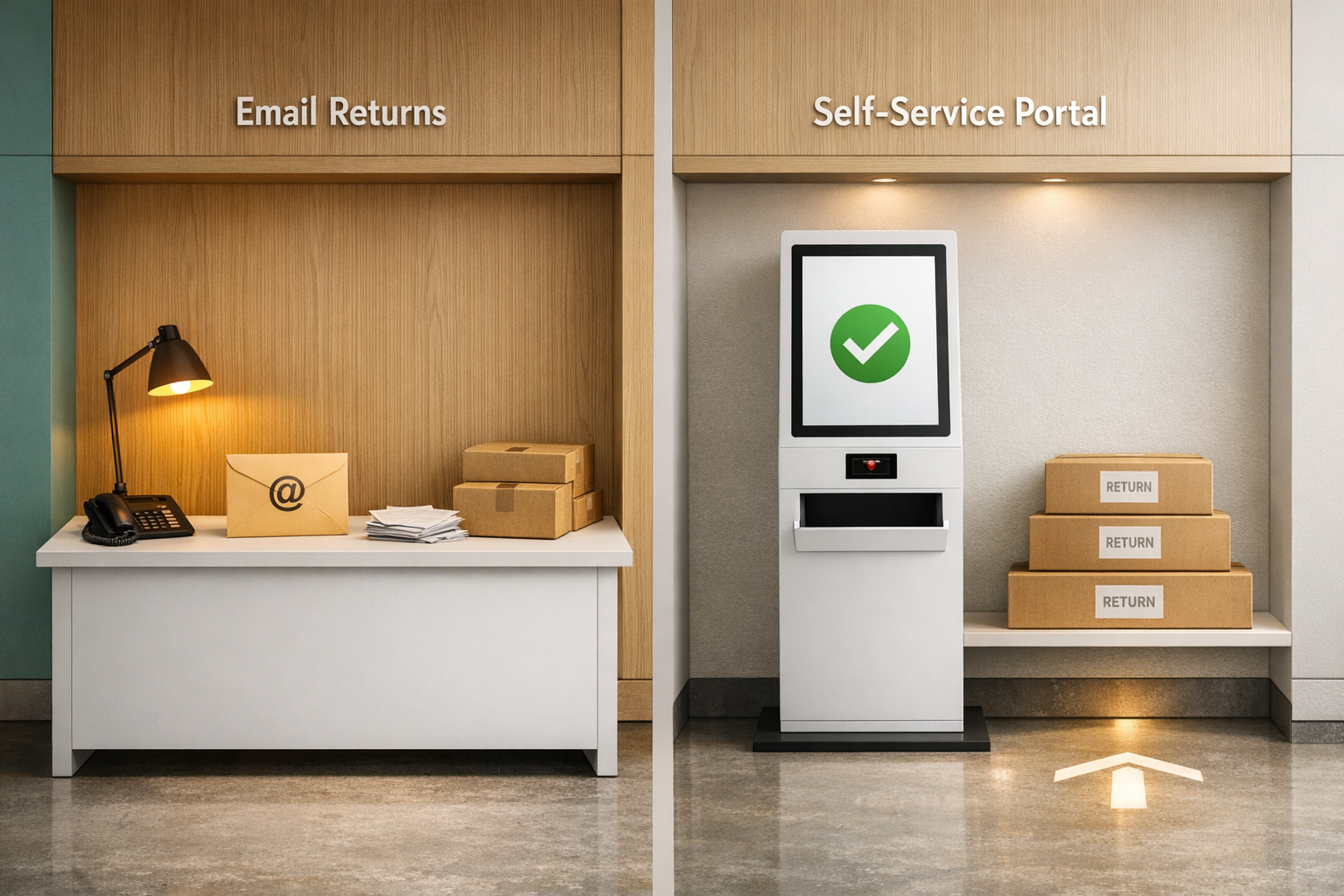
A clear return policy isn’t just about handling refunds - it’s about building trust, reducing customer confusion, and improving your business operations. When customers know exactly how and when they can return items, they’re more likely to shop confidently and make repeat purchases. On the flip side, unclear policies can lead to abandoned carts, disputes, and customer dissatisfaction.
Here’s what matters most in a return policy:
- Timeframes: Clearly define return windows, starting from when the customer receives the item, not when it ships.
- Item Conditions: Specify requirements like original packaging, tags, or included accessories. Highlight non-returnable items (e.g., opened cosmetics or custom goods).
- Refund Options: Offer flexibility with full refunds, store credits, or exchanges, while being transparent about timelines and any partial refund conditions.
- Ease of Process: Provide a simple, accessible return process with automated tools, prepaid labels, and real-time tracking updates.
Automation and clear communication are game-changers. By automating return approvals, shipping labels, and status updates, you save time and reduce errors while keeping customers informed. Use data from returns to improve product descriptions, packaging, and policies to prevent future issues.
Ultimately, a well-structured return policy isn’t just about managing returns. It’s an opportunity to strengthen customer relationships, stand out from competitors, and boost long-term loyalty.
How To Make A Return Policy Customers Will Love
Core Components of Customer-Friendly Return Policies
Creating a return policy that works for everyone means laying down clear, straightforward rules. When done right, it makes life easier for your customers and your team.
Return Time Limits and Deadlines
Setting reasonable timeframes for returns is key to keeping customers satisfied while protecting your inventory. Make sure your return window is clearly defined and gives customers enough time to decide if their purchase meets their expectations. At the same time, avoid overly long periods that could complicate inventory management.
The clock on returns should start ticking when the customer receives their order, not when it ships. This approach accounts for shipping delays and ensures customers have enough time to use and evaluate their items.
Be upfront about return deadlines by displaying them prominently on product pages, order confirmations, and shipping emails. Consider tailoring return windows to different product categories. For example, electronics might need a longer evaluation period than perishable goods. Consistency within each category helps customers understand and remember your policies.
Item Eligibility and Condition Requirements
Setting clear rules for item condition can prevent misunderstandings and speed up the return process. Generally, items should be unworn, unused, and returned in their original packaging with tags still attached. Be specific about what qualifies as "original packaging" to avoid confusion. For instance, electronics often need to include all cables, manuals, and protective films.
Some products, like cosmetics, underwear, or swimwear, are usually non-returnable once opened due to hygiene concerns. Similarly, personalized items, digital downloads, and final sale products are often excluded from return policies.
Eligibility can also depend on the payment method or customer purchase history. For example, cash purchases might only qualify for store credit, and customers with a history of frequent returns may face stricter rules. Make sure proof-of-purchase requirements are simple and flexible - besides original receipts, accept email confirmations, order numbers, or account lookups to make the process easier for everyone.
Refund and Exchange Options
Giving customers multiple options for resolving returns adds flexibility while helping you manage your revenue. Full refunds to the original payment method are standard, but they’re not always the best choice for every situation.
Offering store credit can be a win-win - it keeps the money in your business and encourages repeat purchases. Exchanges are another great option, especially for issues like sizing or color preferences, allowing customers to swap items without adding extra restocking costs.
Partial refunds might come into play if items are returned in less-than-perfect condition or missing accessories. Be transparent about when and how these adjustments apply to avoid frustration or disputes.
Lastly, let customers know how long each option will take. For example, credit card refunds might take a few business days, while store credit can often be issued immediately. Exchanges may take longer due to inventory checks or shipping delays. By clearly outlining these timelines, you can guide customers smoothly through the return process.
How to Guide Customers Through Returns
A hassle-free return process is critical to keeping customers happy. Making it easy to find and use ensures a seamless experience that reflects positively on your brand.
Steps to Start a Return
The first step in handling returns is eliminating unnecessary obstacles. Customers should be able to find your return portal quickly, without digging through multiple pages or waiting for customer support.
Place return options where they’re easy to spot - like in the footer, main menu, or on a dedicated returns page. When customers click on their profile icon or review your refund policy, they should immediately see the option to initiate a return.
Simplify the sign-in process. Instead of requiring passwords (which are often forgotten), use email verification. Customers enter their email, click "Continue", and input a six-digit code sent to their inbox. This approach avoids the frustration of password resets while keeping accounts secure.
Once logged in, customers should be able to view their recent orders. Make it easy by displaying orders clearly with a "Request return" button for eligible purchases.
For orders with multiple items, allow customers to select specific products they want to return. Include a dropdown menu for the return reason and an optional note for additional details.
After submitting the request, customers should receive instant confirmation. If a return requires shipping, follow up with an email containing clear instructions and a prepaid label.
From here, automation can take over to make the process even smoother.
How Automation Simplifies Returns
Automation is a game-changer for returns, turning a manual, time-intensive process into a streamlined experience. As ReturnZap explains:
"Automated returns make use of technology to streamline the process and reduce the number of steps you have to take to process customer returns." – ReturnZap
For example, automation can instantly generate shipping labels based on pre-set rules, cutting down on delays and errors.
Tracking becomes effortless with automated systems. Customers immediately receive tracking numbers, and the system monitors package progress without the need for manual updates - reducing the volume of inquiries your support team has to handle.
Approval workflows can also be automated. Straightforward returns, like undamaged items within your standard timeframe, can be approved instantly, while exceptions are flagged for review. This ensures quick resolutions for simple cases while maintaining oversight on more complex ones.
Additionally, automation collects valuable data throughout the return process. This data - like why items are returned or how frequently certain products are sent back - can help you identify trends and make informed decisions without requiring manual input.
Keeping Customers Informed Throughout the Process
Clear communication during the return process is essential. Without it, customers may feel uncertain and reach out to customer service unnecessarily. Proactive updates can keep them confident and reassured.
Set clear expectations about timelines for refunds versus when the credit will appear. For instance, you might process refunds within two business days, but banks may take 3–5 additional business days to post the credit.
Keep customers informed every step of the way with real-time updates. Use automated emails for detailed information and SMS messages for quick notifications at key moments in the return process.
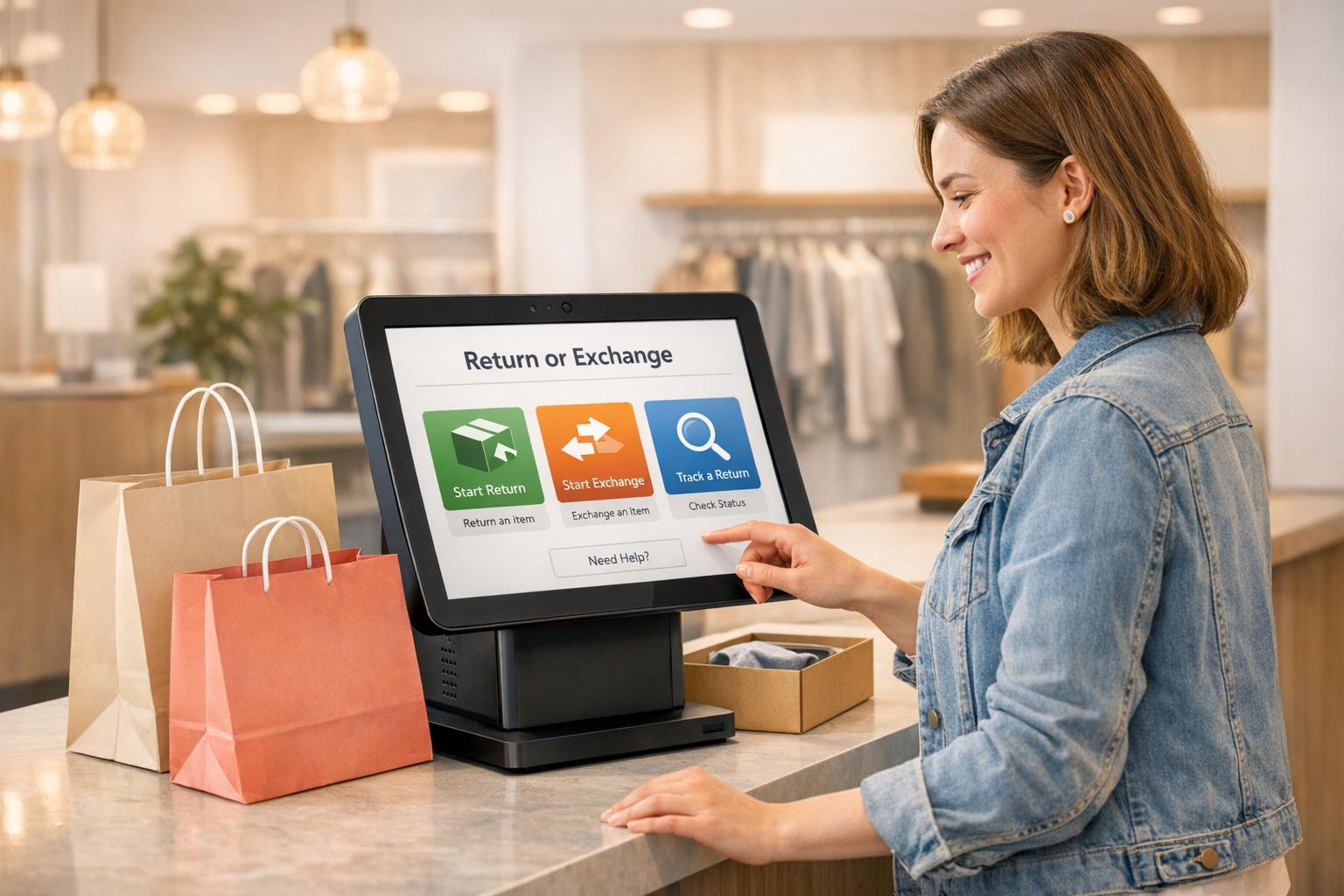
Offer an online portal where customers can check their return status anytime. They should be able to view tracking details, inspection results, and expected resolution dates without calling your support team.
If issues arise - like delays, damaged packaging, or missing items - reach out as soon as possible. Explain the problem and outline the next steps. This level of transparency helps build trust, even when things don’t go perfectly.
The ultimate goal is to ensure customers feel informed and in control throughout their return journey. A well-communicated process not only resolves issues but also strengthens customer loyalty.
sbb-itb-a3e286c
Managing Special Return Cases
While a standard return process works for most situations, there are times when unique cases demand a more specific approach. It's all about finding the right balance between meeting customer expectations and sticking to clear, enforceable policies.
Final Sale and Non-Returnable Items
The "all-sales-final" policy is a strict rule that prevents returns, exchanges, or refunds. Businesses often use this policy to manage inventory better, avoid handling damaged or hygiene-sensitive items, or clear out discounted or outdated stock. To avoid confusion, make sure this policy is clearly communicated on product pages, during checkout, in order confirmations, on your website footer, and through in-store signage.
Products commonly covered by this policy include:
- Digital content
- Perishable goods
- Personal care items
- Clearance products
- Custom or personalized items
- Health-related products
However, it's crucial to ensure these policies align with local consumer protection laws, as their enforceability can vary depending on the region.
That said, damaged or defective items require a completely different approach.
Returns for Damaged or Defective Products
When customers receive defective items, quick action is essential. Federal law requires refunds for defective products, so it's vital to outline clear options for refunds or replacements, typically within a 30-day window. For minor defects, businesses can work with customers to decide whether a repair, replacement, or refund is the best solution.
International Returns and Shipping Issues
Handling international returns comes with its own set of challenges, like navigating customs regulations and managing longer transit times. Tools like ForthRoute's platform simplify these complexities. With its EasyPost integration, businesses can access multiple shipping carriers, helping them find cost-effective options while improving transit times. This kind of automation can make international returns far less daunting for both businesses and customers.
Improving Your Return Policy for Business Growth
A well-thought-out return policy can do more than just handle product returns - it can drive business growth by turning these situations into opportunities to build customer loyalty and improve operational efficiency. By treating returns as a chance to strengthen relationships rather than as setbacks, you can create a smoother experience for your customers and refine your overall returns process.
Using Customer Feedback to Refine Policies
Customer feedback is a goldmine for understanding the gaps between what your return policy promises and what customers actually experience. It’s not just about knowing why items are returned but also about how customers feel during the process.
Pay attention to recurring complaints in return requests, like unclear instructions or overly restrictive timeframes. Exit surveys conducted after a return can be particularly revealing. For example, if customers frequently describe the process as "frustrating" or "confusing", it’s a clear sign that some steps need simplifying. These insights help pinpoint areas where small changes can lead to big improvements in customer satisfaction.
While feedback highlights immediate pain points, analyzing return data can uncover broader trends, helping you anticipate and potentially reduce future returns.
Using Data to Reduce Return Rates
Data analytics can transform return patterns into actionable insights, giving you the tools to address underlying issues. Platforms like ForthRoute’s analytics dashboard provide a detailed look at return behaviors, making it easier to spot trends that might otherwise slip through the cracks.
For example, if a specific product has a higher-than-average return rate, it’s worth investigating whether the issue lies in its quality, misleading descriptions, or sizing inaccuracies. Even small tweaks - like adding more precise measurements or improving product photos - can go a long way in reducing returns.
Seasonal or time-based data can also be valuable. If returns spike during certain times of the year, you can adjust inventory, refine product descriptions, or enhance customer support during those periods. Similarly, geographic data may point to issues like regional shipping delays or preferences that could be influencing returns.
The key is to translate these insights into meaningful changes. If customers frequently say an item was "not as expected", it may be time to revisit how you present the product online. And if "arrived damaged" is a common complaint, improving your packaging and shipping methods might be the solution.
Balancing Customer Satisfaction with Profitability
Striking the right balance between keeping customers happy and protecting your bottom line is essential. Policies like offering store credit or enabling exchanges can help you achieve this balance.
Store credit can be a win-win: customers feel they’re getting the full value of their return, while you retain the revenue and encourage future purchases. Sweetening the deal with perks like extended validity or bonus incentives can make this option even more appealing.
Exchanges are another effective strategy. Allowing customers to swap sizes or colors resolves their issue while preserving the sale. Using AI-driven tools to suggest alternatives can also reduce the chance of repeat returns.
Selective restocking fees can help offset costs without alienating customers. For instance, charging fees only for opened or personalized items can cover handling expenses while maintaining flexibility for legitimate returns.
Tiered return policies based on customer loyalty are another way to manage costs while rewarding your most dedicated shoppers. Long-term customers might enjoy perks like extended return windows or free return shipping, while newer customers adhere to standard terms. This approach not only encourages loyalty but also keeps expenses in check.
Transparency is critical when it comes to any fees or restrictions. Explaining why policies exist - such as restocking fees covering inspection and repackaging - helps customers understand and accept them. Clear communication builds trust, even when limitations are in place.
Conclusion: Building Trust Through Clear Return Policies
A well-thought-out return policy can be a game-changer for building trust and shaping customer relationships. With 80% of shoppers steering clear of retailers with poor return experiences, it’s clear this isn’t just a minor detail - it’s a critical factor for business success.
Trust grows when customers encounter transparency and simplicity. If return timeframes, eligibility rules, and refund processes are laid out in plain terms, shoppers feel more confident about their purchases. This clarity not only boosts conversion rates but also helps reduce cart abandonment. Add in consistent, timely resolutions and clear communication, and you’re reinforcing that trust even further.
A seamless return process can also set your brand apart, especially in markets where products and prices are similar. Customers don’t forget brands that make returns hassle-free. That positive experience often translates into word-of-mouth recommendations and stronger loyalty, which are key drivers of long-term growth.
Technology is playing a major role in reshaping how businesses handle returns. Platforms like ForthRoute are introducing tools such as AI-driven exchange suggestions, automated notifications, and branded return portals. These features not only streamline the return process but also reduce operational challenges, delivering tangible benefits.
In October 2025, Bummer, a D2C brand, partnered with Return Prime (ForthRoute) to revamp its return process. The results were impressive: a 74% decrease in return requests and an 87.5% improvement in return processing speed. Automation and real-time tracking provided by the platform enhanced both customer satisfaction and operational efficiency. (Source: returnprime.com blog, October 1, 2025)
This example highlights how combining clear return policies with cutting-edge technology can solidify customer trust. When you get this balance right, you’re doing more than managing returns - you’re creating a trust-based relationship that keeps customers coming back. In an age where acquiring new customers is increasingly expensive, that trust becomes one of your most valuable assets.
Your return policy isn’t just a set of rules - it’s a promise to your customers and a reflection of what your brand stands for.
FAQs
How can businesses create a return policy that satisfies customers while staying profitable?
To craft a return policy that keeps customers happy while safeguarding profits, businesses need to establish straightforward and easy-to-understand rules for returns, refunds, and exchanges. This might include defining time limits (like 30 days), outlining acceptable item conditions (such as being unused or in its original packaging), and detailing any fees involved - like restocking charges or return shipping costs.
For items such as clearance or customized products, implementing an "all sales are final" policy can help cut down on return-related costs. At the same time, keeping an eye on return patterns and listening to customer feedback can reveal areas for product improvement or potential issues. This approach not only reduces returns but also enhances the shopping experience. By blending customer-friendly practices with smart cost control, businesses can build trust and loyalty while protecting their financial health.
How does automation improve the return process for businesses and customers?
Automation takes the hassle out of returns by providing self-service tools and real-time updates. Customers can easily initiate and monitor their returns through online portals, where they can select options like home pickup and review clear return policies. This not only simplifies the process but also makes it more transparent and convenient.
For businesses, automation cuts down on manual tasks, reduces errors, and even helps identify and prevent fraud. By streamlining these operations, it creates a smoother and more efficient return experience while building trust with customers.
How can reviewing return data help businesses enhance products and reduce future returns?
Understanding return data can unlock key insights for businesses aiming to fine-tune their products and minimize return rates. When companies analyze the reasons behind returns - be it sizing mismatches, quality issues, or unmet expectations - they can spot patterns and tackle recurring challenges head-on.
These insights can drive meaningful changes, such as improving product design, refining descriptions to set clearer expectations, or even streamlining inventory planning. Over time, these adjustments don’t just cut down on returns - they also enhance the customer experience and strengthen trust in your brand.