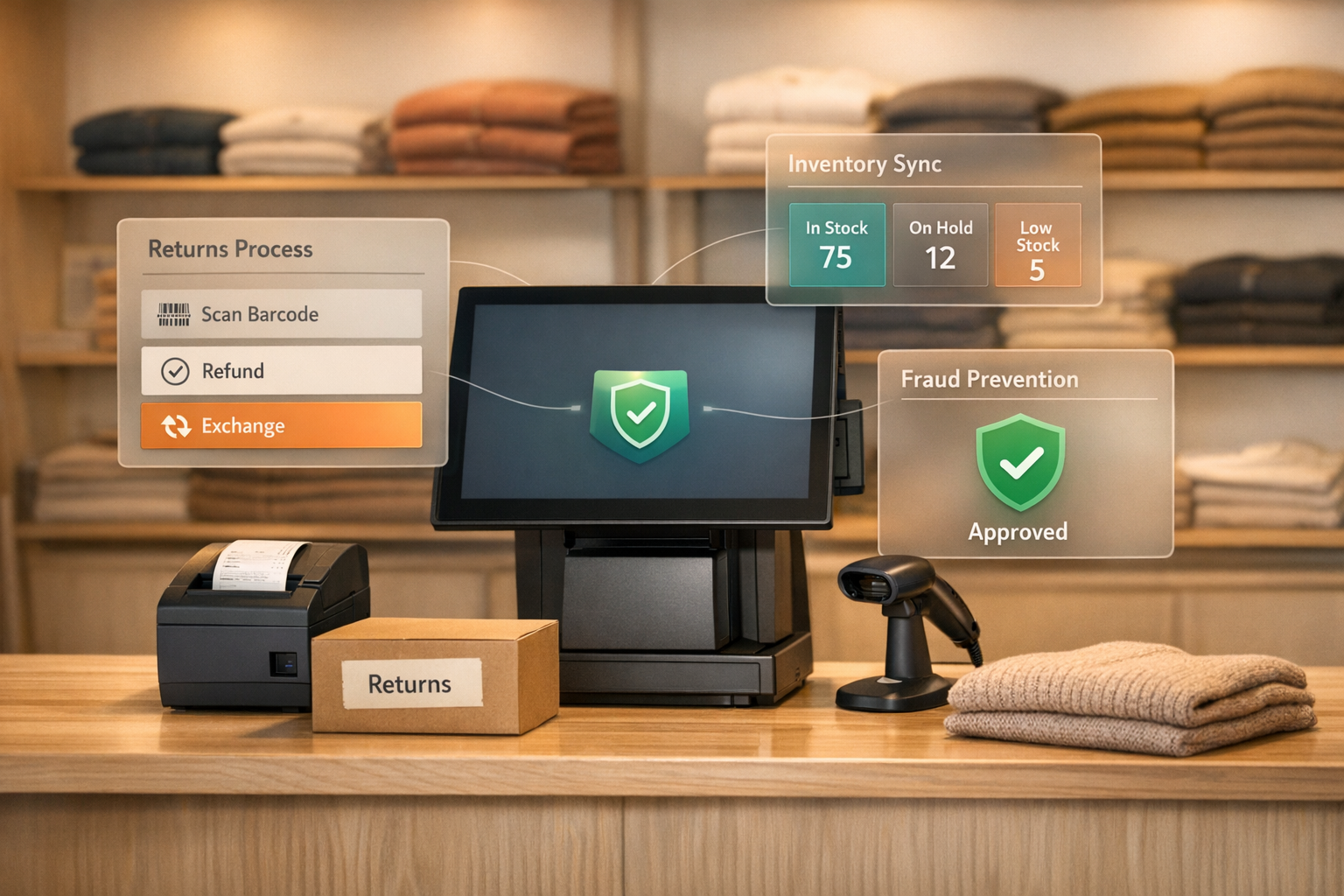
Managing returns for an online store, especially with multiple carriers, can be overwhelming. Automation can simplify this process, saving time, reducing costs, and improving customer satisfaction. Here's how:
- Automate Returns Workflow: Use rules to approve returns, generate shipping labels, and sync updates with warehouses automatically.
- Customer-Friendly Features: Offer self-service portals, QR code labels, and incentives like store credit to retain revenue.
- Choose the Right Carriers: Match carriers to your needs - USPS for lightweight packages, FedEx/UPS for heavier or time-sensitive items, and regional carriers for cost savings.
- Simplify Integration: Tools like Forthroute, combined with EasyPost, connect Shopify stores to multiple carriers for efficient label creation and tracking.
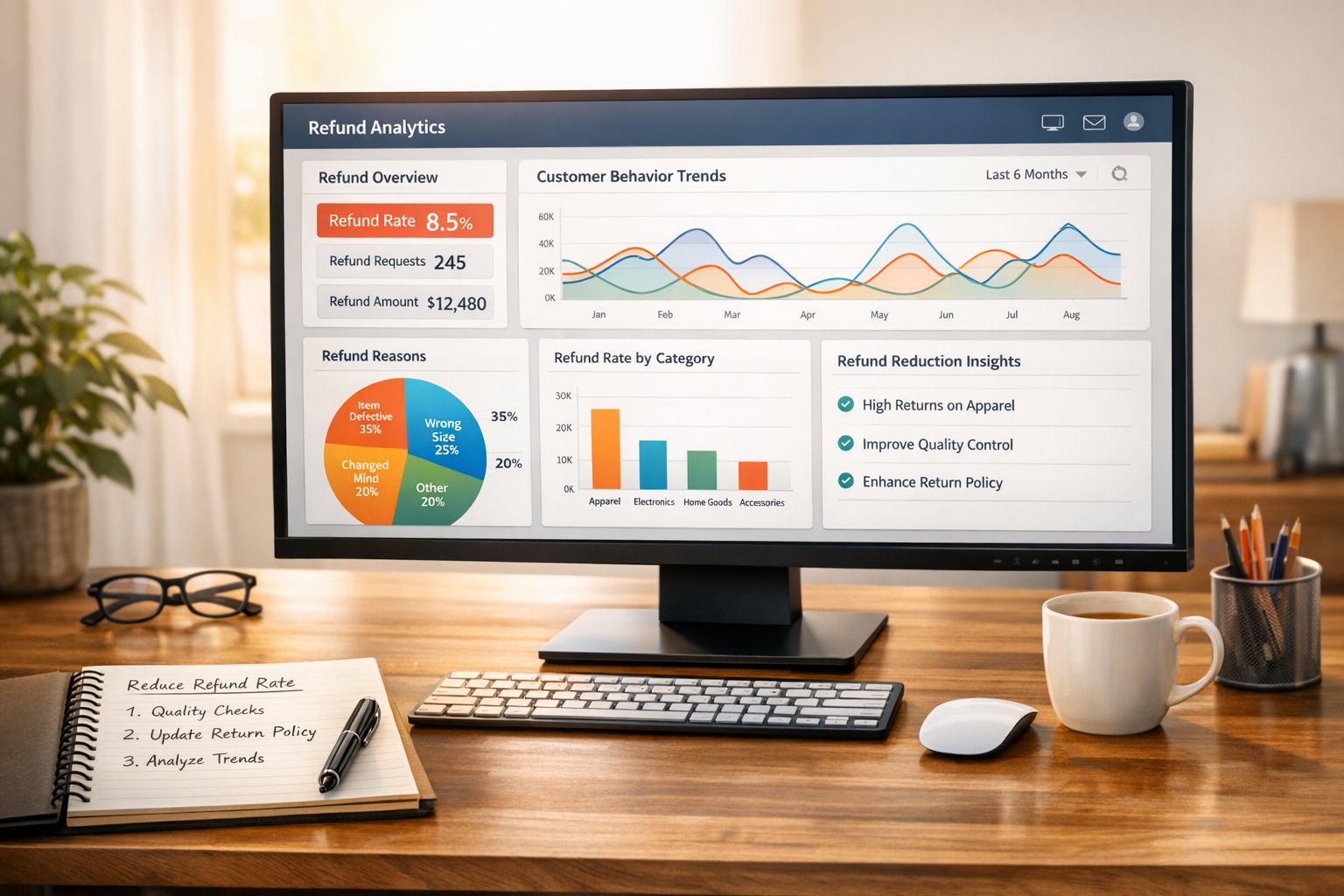
- Use Data for Improvement: Analyze return reasons, optimize policies, and refine product details to reduce return rates.
Automation not only streamlines returns but also strengthens customer loyalty by making the process faster and hassle-free.
Choosing the Right Carriers for Your Returns
Multi-Carrier Returns Comparison: Costs, Speed, and Best Use Cases
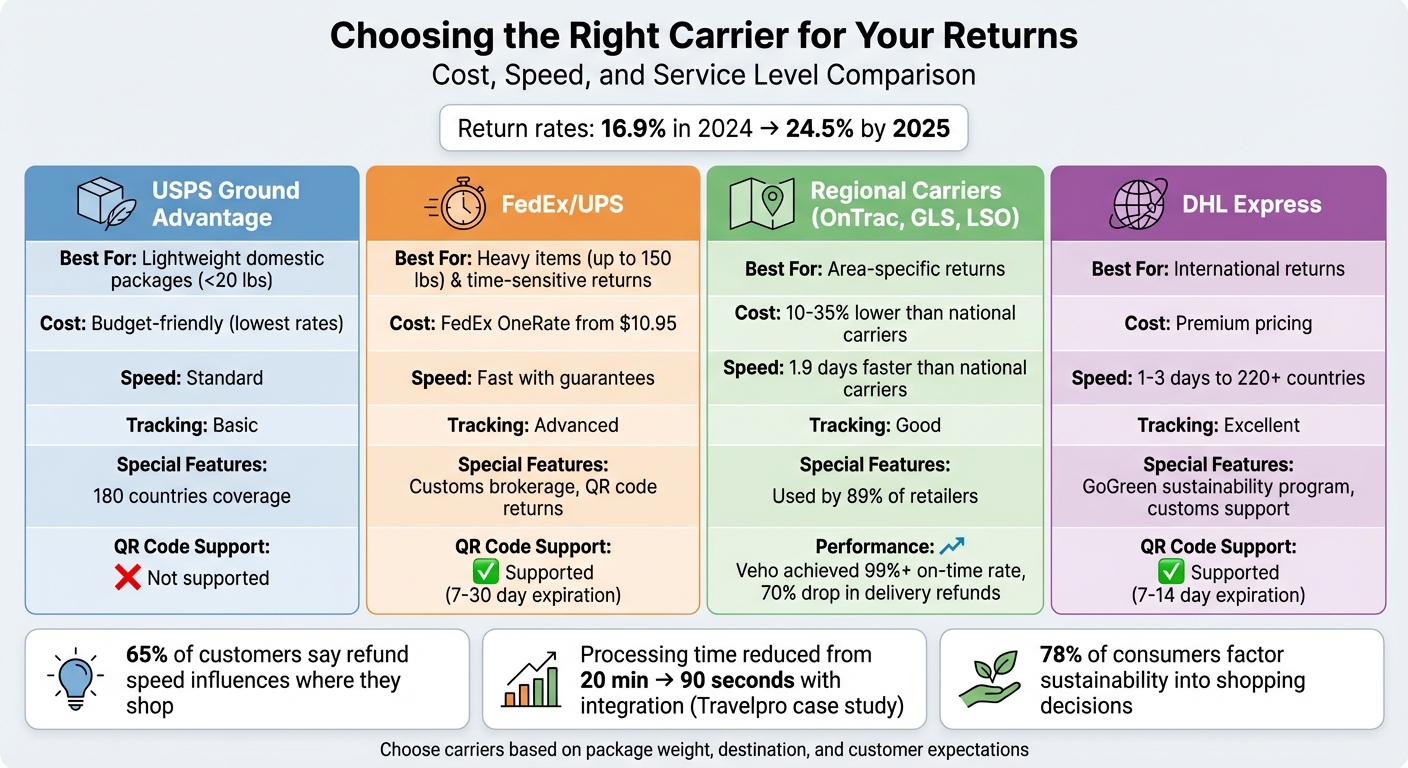
Selecting the right carriers is all about balancing cost, speed, reliability, and coverage. With ecommerce return rates averaging 16.9% in 2024 and expected to rise to 24.5% by 2025, this decision is more crucial than ever. A thoughtful carrier strategy can protect your margins while keeping customers happy.
Start by identifying your current challenges. Are slow refunds or high international shipping fees frustrating your customers? Pinpointing these pain points will help you prioritize carrier features. For example, if delayed refunds are a recurring issue, look for carriers that integrate seamlessly with your returns management system. This allows for instant label generation and real-time tracking, speeding up the process.
Efficiency is key. Travelpro® found that integrating carriers with their systems reduced processing times from 20 minutes to just 90 seconds in April 2025. Mark Costigliola, eCommerce Operations Manager at Travelpro, highlighted the benefits:
"The return process is completely customer-centric. They fill out the request, generate the label, and get a refund".
Comparing Carrier Costs and Service Levels
Carrier selection goes beyond just base rates. For lightweight domestic packages under 20 lbs, USPS Ground Advantage is a budget-friendly option. However, if you're handling heavier items (up to 150 lbs) or time-sensitive returns, FedEx and UPS offer better tracking and service levels. Flat-rate options like FedEx OneRate, starting at about $10.95, are also worth considering if predictable pricing is a priority.
Regional carriers can be a game-changer, especially for returns concentrated in specific areas. Providers like OnTrac, GLS, and LSO often deliver packages 1.9 days faster than national carriers, with rates that are 10% to 35% lower. This approach is gaining traction - 89% of retailers now use alternative carriers alongside traditional ones to cut costs and improve performance. Premium brands like Macy's, Sephora, and Lululemon leveraged Veho's regional network in 2025, achieving a 70% drop in delivery-related refunds thanks to a 99%+ on-time performance rate.
Keep in mind that 65% of customers say the speed and ease of refunds influence where they shop. This means your carrier choices directly affect customer loyalty. Platforms that compare real-time rates across carriers and automatically route returns to the most cost-effective and efficient provider can simplify this process.
Next, use these insights to refine your approach for both domestic and international returns.
Handling Domestic and International Returns
When it comes to returns, domestic and international shipments require different approaches. For domestic returns, USPS is a reliable choice for lightweight items on a budget, while FedEx and UPS are better suited for heavier packages or when guaranteed delivery times are essential. The goal is to align your carrier selection with your product types and customer expectations.
For international returns, DHL Express is a standout. It offers 1–3 day delivery to major markets in over 220 countries, along with excellent tracking. While USPS covers 180 countries through postal partnerships, DHL’s direct network provides faster service and more reliable tracking.
Customs support is another critical factor for international returns. Carriers like DHL, FedEx, and UPS offer robust customs brokerage services to minimize delays and unexpected fees. If sustainability aligns with your brand values, consider options like Sendle’s carbon-neutral services or DHL’s GoGreen program. With 78% of consumers factoring sustainability into their shopping decisions, this could also enhance customer loyalty.
Connecting Forthroute with Multiple Carriers via EasyPost
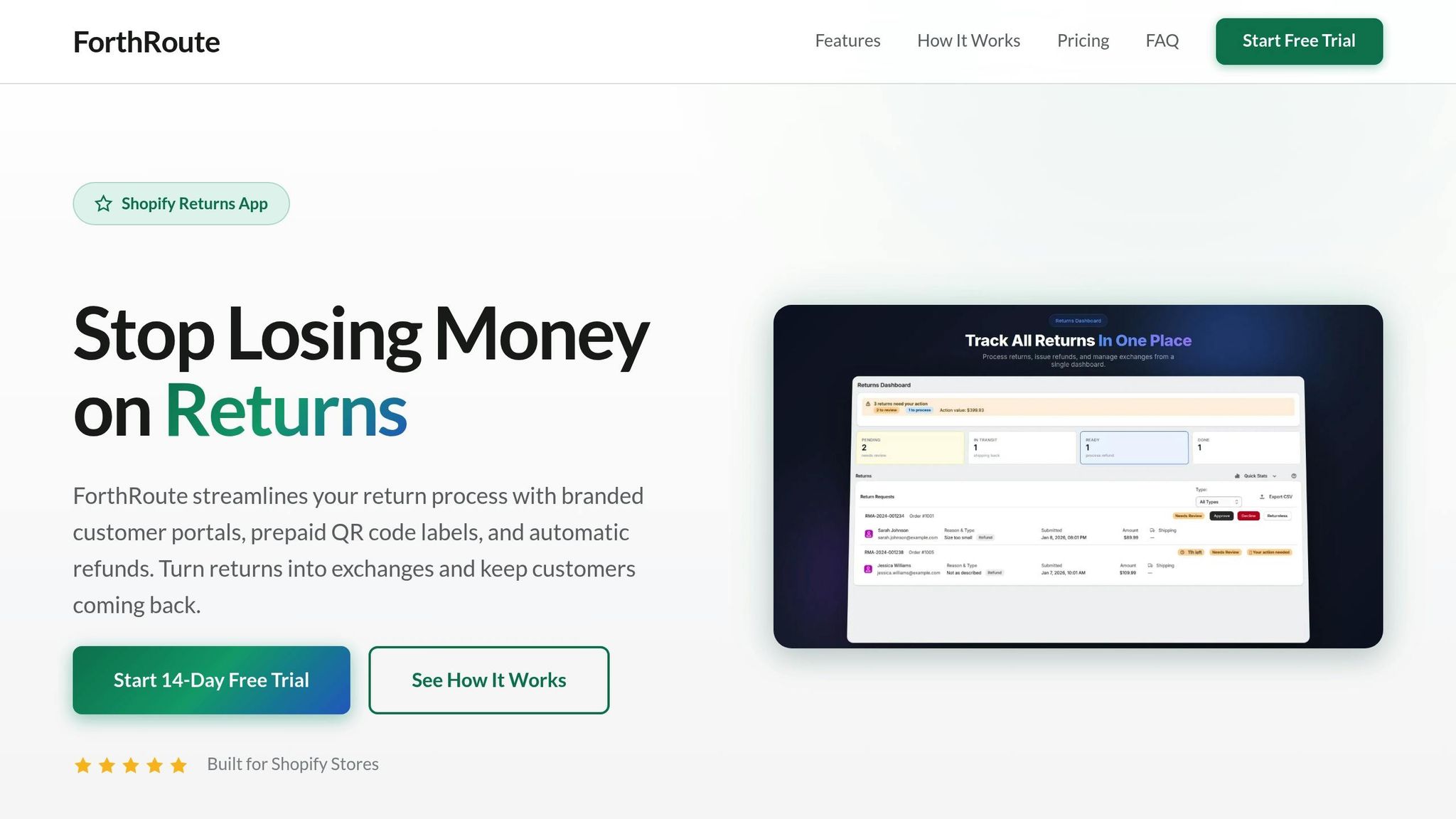
After selecting your carriers, the next step is integrating them into your returns workflow. Forthroute simplifies this process by using EasyPost as a bridge, connecting your Shopify store with major carriers like USPS, UPS, and FedEx through a single interface. This means you don’t need separate carrier accounts. The setup is quick and Shopify-friendly: install the Forthroute app, authorize it with one click, and pick your carriers. With this integration in place, your returns process becomes much smoother, as explained below.
How EasyPost Streamlines Carrier Connections
EasyPost acts as the technical backbone, linking Forthroute to multiple carriers all at once. Instead of dealing with individual contracts or integrating with each carrier’s API, EasyPost gives you centralized access to USPS, UPS, and FedEx. This integration supports both traditional prepaid labels and QR code returns. When a customer initiates a return through your portal, the system automatically generates the appropriate label based on your settings. For customers without printers, QR codes make things even easier - they can show the code on their phone at a carrier drop-off location, where staff print the label for them. This streamlined process is a big deal, especially when you consider that 92% of shoppers are more likely to shop again if returns are hassle-free.
Automated Label Creation and Real-Time Tracking
EasyPost doesn’t just connect carriers; it also automates key parts of the returns process. When customers enter their order number and email, select the items they want to return, and choose their resolution (refund, exchange, or store credit), the system evaluates your pre-set approval rules. For example, if you have a rule like “Auto-approve returns under $50,” the customer gets a prepaid shipping label instantly, without any manual steps.
Once the return is underway, real-time tracking updates keep both you and your customers informed. Forthroute’s webhook API syncs tracking data with your warehouse or 3PL, updating your inventory system as returns are initiated, in transit, or restocked. This visibility is essential - 66.6% of shoppers check a company’s return policy before making a purchase.
The pricing is straightforward: you pay the carrier’s rate plus a $1.50 fee per label, and you’re only charged if the label is used. For businesses handling over 5,000 labels a month, there’s an extra $0.05 fee per additional label.
Configuring Automated Approval Rules
Once you've connected your carriers through EasyPost, it's time to set up automated approval rules to handle returns without requiring manual oversight. These rules work on a straightforward Trigger > Condition > Action system. A trigger is the event that kicks off the process - like a customer submitting a return request. Conditions are the criteria that must be met, such as the purchase date being within 30 days or the order value being below $50. Finally, actions are the automated responses, like approving the return and generating a prepaid shipping label. This setup creates an efficient, time-saving process for managing returns.
Automation isn't just about saving time; it also boosts efficiency. Considering that 65% of shoppers say the ease and speed of refunds influence where they shop, these automated rules are essential for keeping customers happy.
Setting Up Smart Approval Rules
Start by turning your return policy into specific, automated rules. For example, if you allow returns within 30 days, create a condition that automatically approves requests when the purchase date is less than 30 days old. For smaller orders, set a rule like "Auto-approve returns under $50" to avoid wasting time on low-value items. This is especially helpful when you realize that processing a return for a $50 item costs merchants an average of $33 in shipping and restocking fees.
For items that can't be returned - like final sale items, custom orders, or intimate apparel - set up rules to reject those requests instantly. One Project, a global fashion platform, used product-specific rules to block returns on custom items while managing frequent returners effectively. Their CTO, Shmulik Konforty, shared:
"The process is fully automated, from the customer request to the refund".
To protect revenue, focus on rules that promote exchanges and store credit. Configure systems like Forthroute to immediately approve requests when customers opt for store credit or exchanges, but require manual review for cash refunds. For situations where the cost of returning an item exceeds its value, consider "returnless refunds", where customers receive a refund but keep the product.
Customizing Rules for Different Carriers
Each carrier offers unique services, and your rules should align with their capabilities. For bulky or heavy items, set rules to trigger specialized collection services instead of standard drop-off labels. If you're using carriers that offer QR code returns, configure rules to auto-approve only when customers select those carriers, ensuring real-time tracking is included.
For international returns, use local return addresses to cut down on cross-border shipping costs and simplify the process for customers. You can also apply reason-based logic: for example, auto-approve returns labeled as "defective" or "wrong item sent" with a prepaid label, but deduct return shipping fees for "changed mind" cases.
To mitigate risks, implement value-based thresholds. Low-value items can be auto-approved to save processing costs, while high-value items should require manual inspection to reduce fraud risks - especially since 10.7% of online returns in 2022 were found to be fraudulent. Additionally, flag requests from repeat returners or customers with unusually high return rates for manual review to safeguard your business.
sbb-itb-a3e286c
Creating Prepaid and Printerless Return Labels
Once you've set up automated approval rules, the next step is ensuring an efficient process for generating both prepaid and printerless return labels. These options - prepaid labels and QR code returns - remove the hassle of needing a printer or paying for return shipping upfront. Considering that 67% of shoppers review a brand's return policy before making a purchase, offering such convenience can directly influence your sales.
Generating Prepaid Labels for Customers
When a return request gets approved, the system, integrated with EasyPost, instantly creates a prepaid shipping label. Customers receive an email with either a downloadable PDF or a link to print the label.
To manage costs, consider using scan-based billing with carriers like FedEx or UPS. This way, you only pay for labels when they’re actually used. Interestingly, 78% of consumers prefer having the return shipping cost deducted from their refund rather than paying for it upfront.
Setting Up QR Code Returns
Printerless returns tackle a common issue: not everyone has access to a printer. With EasyPost, you can enable QR code returns, allowing customers to simply show a QR code on their phone at carrier drop-off locations like those operated by UPS or FedEx. The carrier scans the code and prints the shipping label on-site.
To enable this option, configure your self-service portal to include "printerless" as a return method. When selected, the system generates a QR code instead of a PDF label and delivers it via email or directly within the portal. Make sure your auto-approval rules cover this option - for instance, "Auto-approve returns under $50 with QR code delivery".
Keep in mind that carrier capabilities vary. USPS doesn’t currently support QR code returns, so you'll need to provide PDF labels for USPS shipments. On the other hand, FedEx and UPS offer QR code services through their Email Return Label and Returns Plus programs, though these codes typically expire within 7–30 days. DHL also supports QR code returns at their Service Points, but with a shorter expiration window of 7–14 days.
Forthroute’s EasyPost integration simplifies this process by automatically adjusting to carrier-specific requirements, ensuring customers receive the correct label format for their chosen carrier. This streamlined approach can make a big difference - 65% of shoppers say the speed and ease of receiving a refund or return label influences their shopping decisions.
Using Analytics to Monitor and Improve Returns
A key step in managing returns effectively is leveraging data to understand why they happen and finding ways to reduce them. Forthroute’s analytics dashboard provides real-time tracking of every return request, offering clear insights into patterns that might otherwise go unnoticed in email threads or spreadsheets. These analytics work seamlessly with automated labels and approval rules, delivering insights you can act on to refine your returns process.
Tracking Return Rates and Key Metrics
To get a handle on your return rates, divide the number of returns by total sales and multiply by 100. Typical rates hover around 15–20%, while rates below 10% suggest high customer satisfaction. On the flip side, a rate above 60% signals the need for immediate changes.
Breaking down returns by category can uncover specific trends. For example, apparel often sees higher return rates compared to electronics [29, 31]. Another important metric to track is revenue retention - the percentage of exchanges or store credit issued compared to total refunds. This metric helps gauge how much revenue stays within your business. Additionally, monitor processing times from the initial return request to resolution to identify any bottlenecks in your workflow [9, 16].
Interestingly, 81% of returns are due to defective or damaged items, while sizing issues account for up to 70% of returns in the apparel category.
Using Data to Reduce Return Rates
Once you’ve identified the reasons behind returns, it’s time to take action. For instance, if analytics show a high rate of returns due to sizing issues, you could update product pages with notes like “This item tends to run small” or add a detailed size chart.
Data also reveals that 64% of ecommerce returns result from discrepancies in product descriptions. Enhancing product images and descriptions can directly lower return rates.
Another common behavior is “bracketing,” where 41% of shoppers buy multiple sizes or colors intending to return some items. For these customers, you might provide return labels upfront or offer more accurate sizing tools. If technical issues or setup confusion are driving returns, consider improving post-purchase emails or creating clearer FAQs.
A real-world example of data-driven action comes from Bumpboxx, which implemented a self-service portal in 2023 to track common product questions leading to avoidable returns. By addressing these issues, they cut support tickets by 42% and significantly lowered their return rate. Zach Kramer, VP of Customer Success at Optoro, highlights the opportunity in returns:
"What we see with our retailers and brands is that their best customers are also their most frequent returners... returns should be viewed as an opportunity to delight your best customers".
For lower-cost items, consider offering returnless refunds - letting customers keep the item while still issuing a refund. This saves on reverse logistics costs. You can also use data to identify the most cost-effective carriers for different regions and adjust your routing rules accordingly. Automating returns management can cut processing times by up to 50%, improving both efficiency and customer satisfaction.
Conclusion
Automating your multi-carrier returns process isn’t just about saving time - it’s about creating a smoother experience for both your business and your customers. With tools like QR code drop-offs and prepaid labels, the integration simplifies returns while aligning perfectly with earlier strategies on carrier selection and workflow optimization.
By setting up smart automation rules, you can cut down on manual tasks and safeguard your revenue. For example, prioritizing exchanges or store credits over refunds helps retain more of your earnings, while faster, hassle-free returns can significantly boost customer loyalty.
Building on earlier insights about carriers and automation, analytics can take your returns management to the next level. Tracking return reasons and trends allows you to refine product descriptions, adjust sizing charts, and flag problematic SKUs before they impact your bottom line. Considering that each returned $50 item costs merchants an average of $33, every avoided return adds up to meaningful savings. When combined with automated workflows, analytics help create a seamless and cost-effective returns process.
FAQs
How does automation improve the returns experience for customers?
Automation takes the hassle out of the returns process, making it quicker and more convenient for customers. With features like self-service portals, customers can start returns, print shipping labels, or request exchanges instantly. This eliminates long waits and reduces the need for manual assistance.
When tasks like return approvals and shipping label creation are automated, businesses can process returns faster and with fewer mistakes. Customers benefit from real-time updates and speedy resolutions, whether they're receiving a refund or an exchange. This smooth experience not only boosts satisfaction but also builds trust and loyalty - key factors that encourage customers to shop again. Transparency and efficiency in post-purchase interactions make all the difference.
What should I consider when selecting carriers for returns?
When choosing carriers for returns, it's important to weigh a few key factors. Start with cost and geographic coverage to ensure shipping remains affordable and available across all necessary regions. Equally essential are reliability and on-time performance, as these directly impact customer satisfaction and your brand's reputation.
You'll also want to think about scalability - can the carrier handle spikes in return volumes during busy periods? If you deal with fragile or high-value items, look for carriers offering specialized services to ensure those items are handled with care. Another critical aspect is technology integration, which brings automation and real-time tracking into the mix, making the returns process more efficient.
By taking these elements into account, you can build a returns process that balances cost-efficiency with a smooth, customer-friendly experience.
How can data analytics help lower return rates?
Data analytics offers businesses a way to tackle product return rates by digging into the reasons behind them. By examining return data, companies can pinpoint recurring issues like inconsistent sizing, product defects, or unmet customer expectations. For example, analyzing data at the SKU level can reveal which specific items are returned most often. With this information, businesses can refine product descriptions or adjust sizing charts to better align with customer needs.
Predictive analytics goes a step further by anticipating potential return risks. This allows businesses to take proactive steps, such as providing personalized product recommendations or offering clearer pre-purchase details. These efforts not only improve the shopping experience but also help reduce returns. Companies that use these insights effectively often notice fewer returns and a boost in profitability.